IF MedTechBuild with us

Device Types

Seven areas where this team already has design depth, across more than forty devices designed and developed. The applicable standards, the failure modes and the test laboratories differ by domain.

Seven device types

Find your device type: what makes it hard, what we ask first, and the standards to plan for from the start.

01In-Vitro Diagnostics
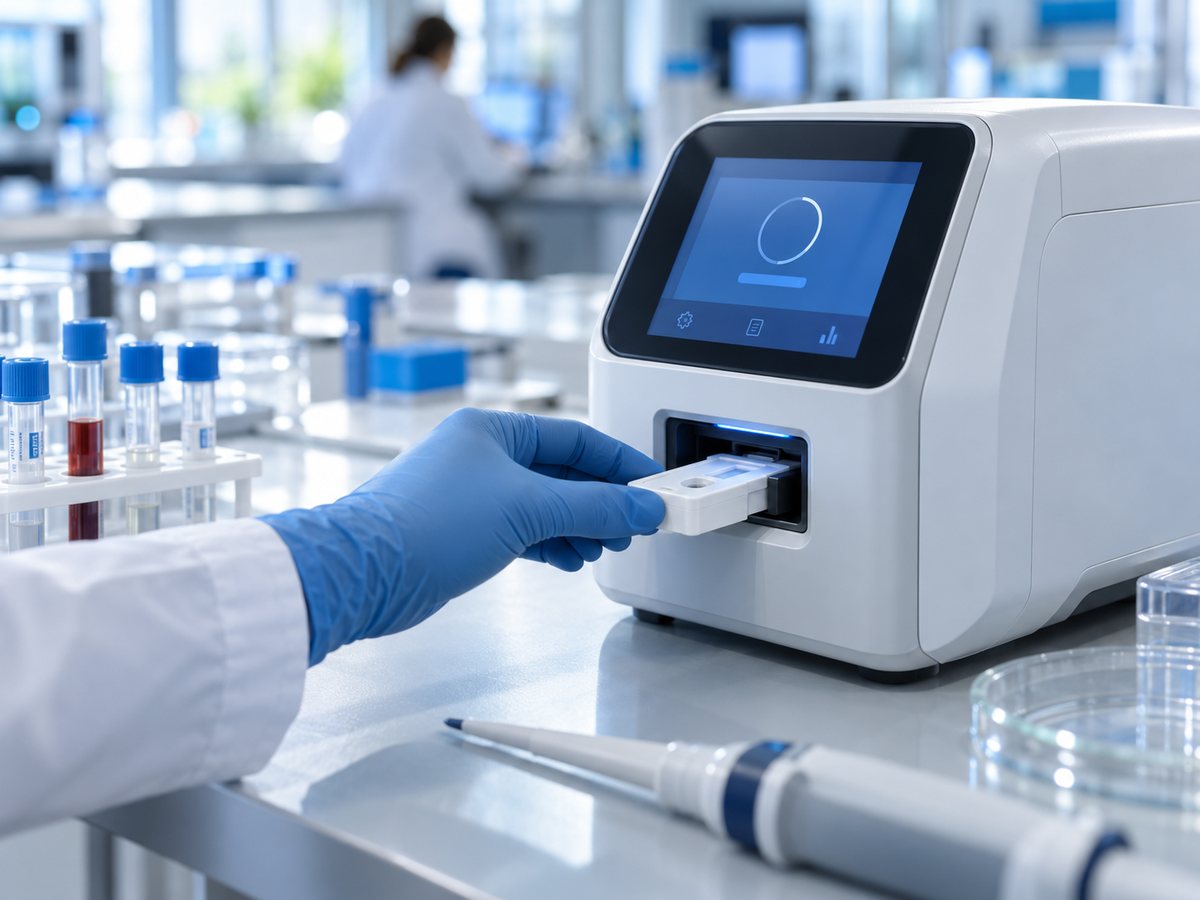
Tests whose result matches the patient's condition.

What makes it hard

Sample handling. Small volumes, clotting, haemolysis and carry-over all move the result.

Tell us first

The analyte, the sample type and the sample volume.

Standards that often apply

ISO 18113, ISO 20916, IEC 61010-2-101.
More about In-Vitro Diagnostics

02Surgical Instruments

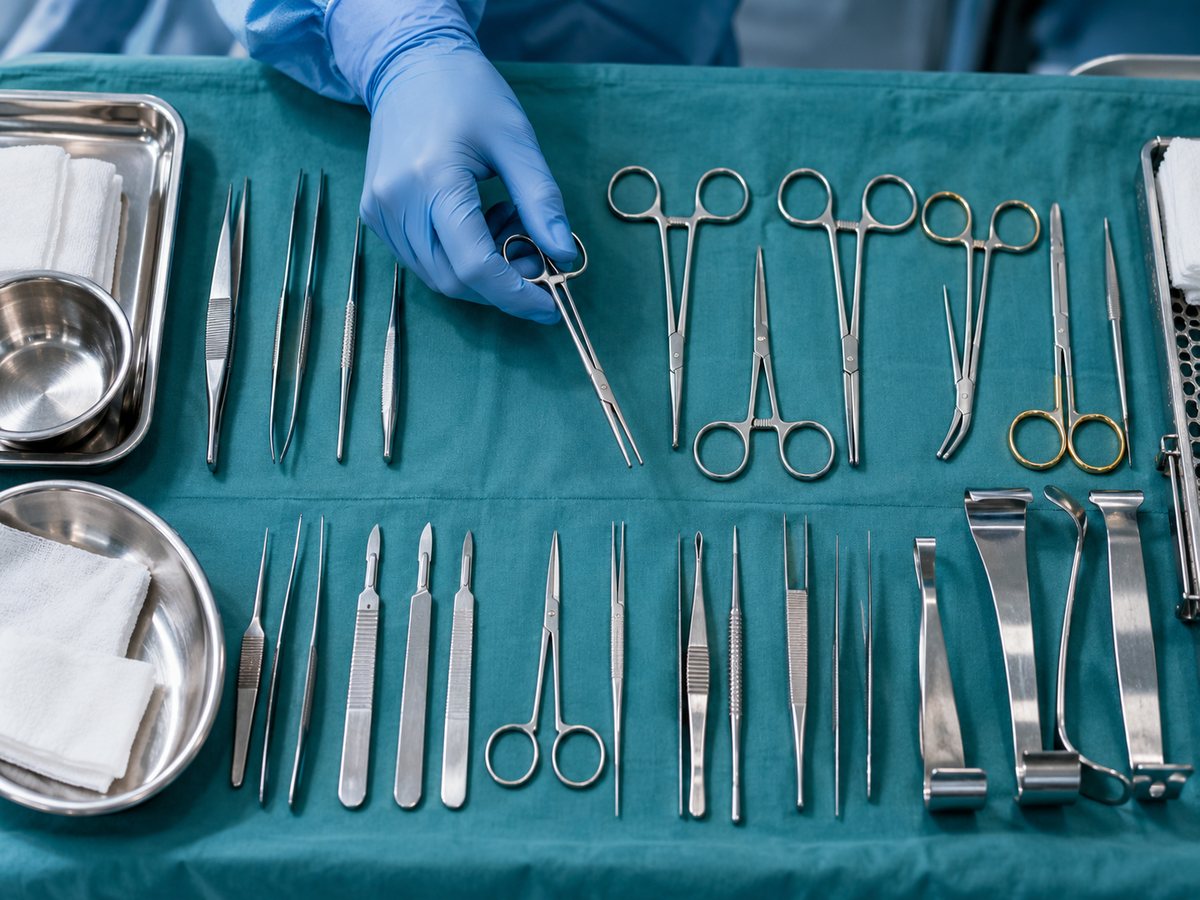
Instruments that survive reprocessing and feel right in a surgeon's hand.

What makes it hard

Reprocessing. A reusable instrument must survive hundreds of cleaning and sterilisation cycles without losing its function.

Tell us first

The procedure, and the step where the instrument is used.

Standards that often apply

ISO 10993-1, ISO 17664, ISO 11607.

Devices we have built here

7, including a pulsed lavage irrigation system for orthopaedic surgery.

More about Surgical Instruments

03Hospital Equipment

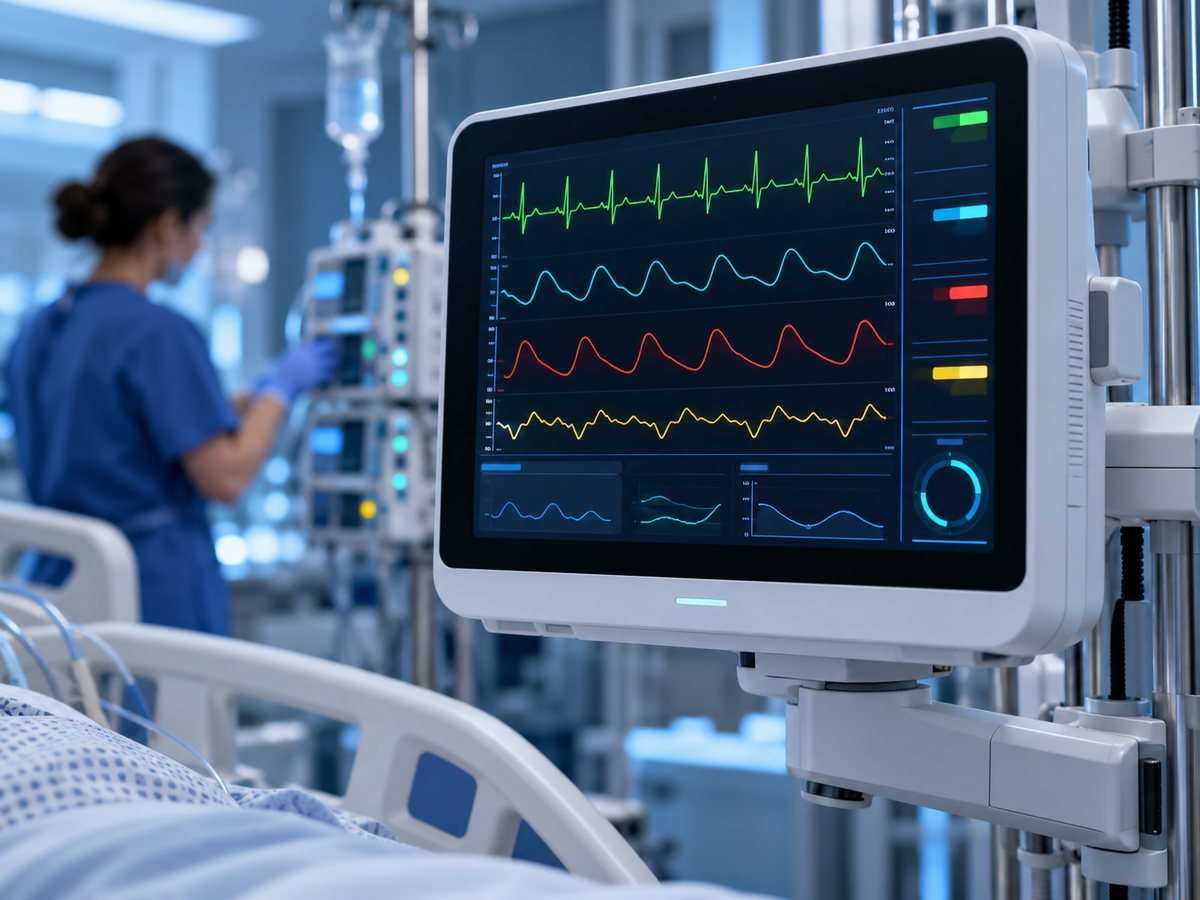
Equipment that runs for days on end and never fails quietly.

What makes it hard

Continuous duty. Equipment runs for hours or days and must not fail quietly.

Tell us first

The setting: ward, ICU, operating theatre or transport.

Standards that often apply

IEC 60601-1, IEC 60601-1-2, IEC 60601-1-8.

Devices we have built here

4, including a blood and fluid warmer, in two flow ranges.

More about Hospital Equipment

04Drug Delivery

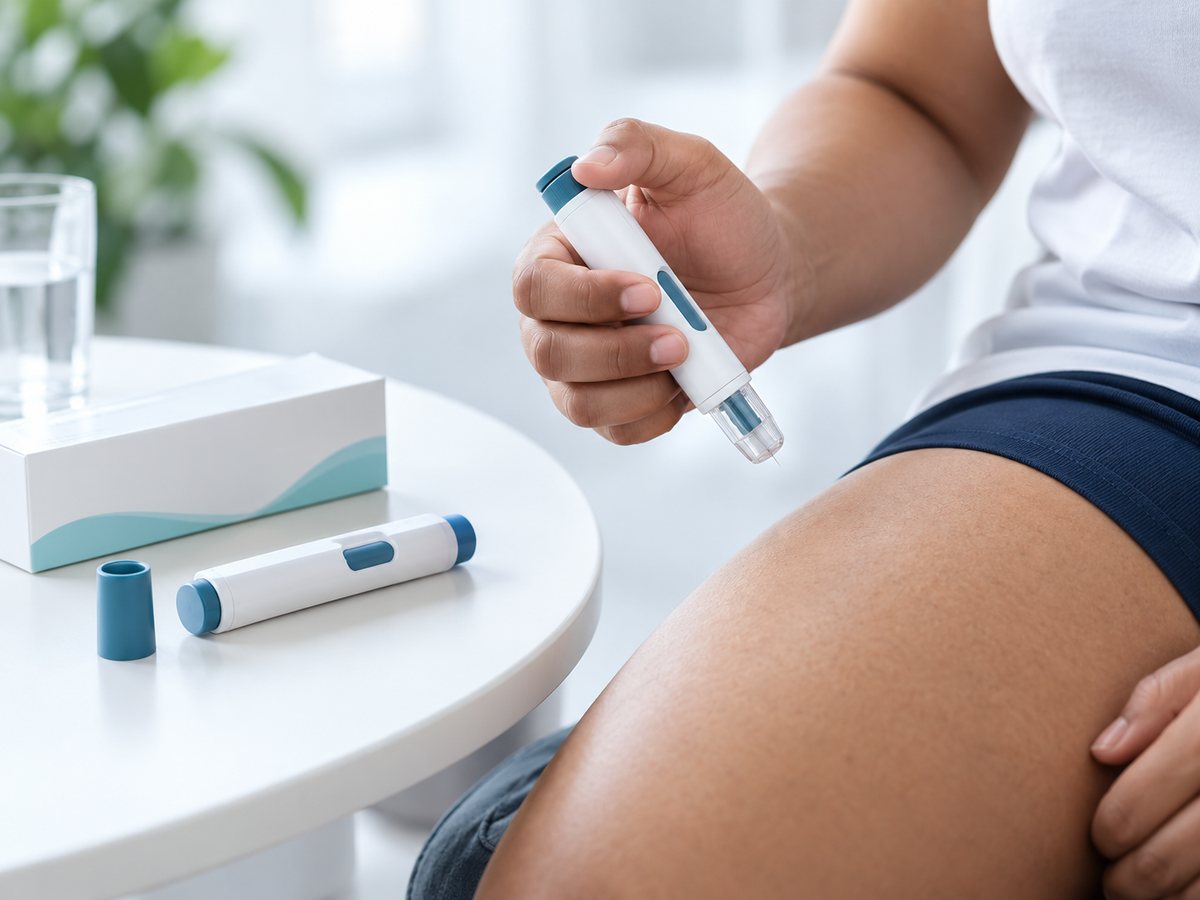
Devices that deliver the right dose, even in untrained hands.

What makes it hard

Dose accuracy. The delivered dose, not the set dose, is what has to be proven.

Tell us first

The drug, its form and the dose range.

Standards that often apply

ISO 11608, ISO 20072, ISO 80369.

More about Drug Delivery

05Diagnostic Devices

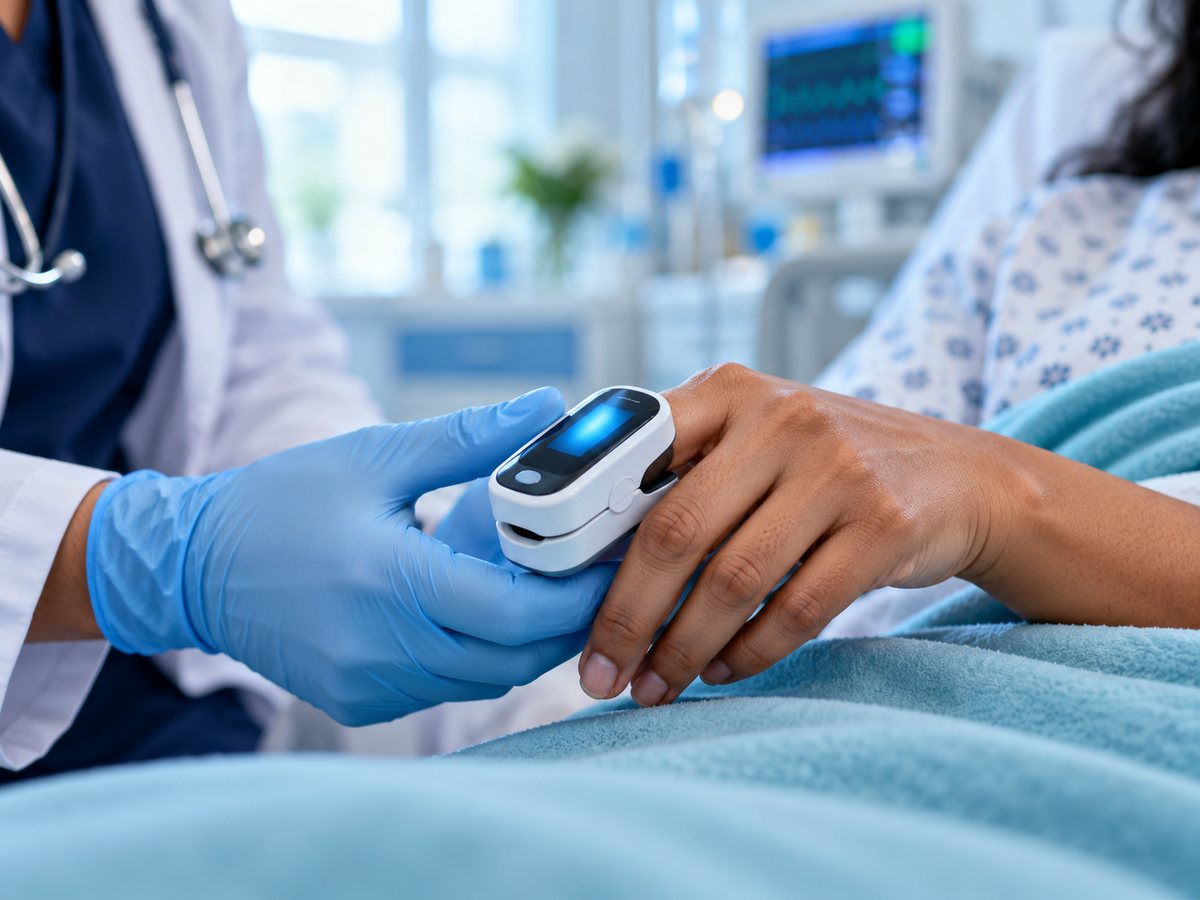
Monitors and wearables whose readings a clinician can trust.

What makes it hard

Accuracy against a reference. The number has to agree with a clinical reference, across the population that will use it.

Tell us first

The parameter you measure, and the accuracy you claim.

Standards that often apply

IEC 60601-1-11, IEC 80601-2-30 / ISO 81060-2, IEC 60601-2-47.

Devices we have built here

5, including a continuous glucose monitoring sensor.

More about Diagnostic Devices

06Rehabilitation & Neonatal

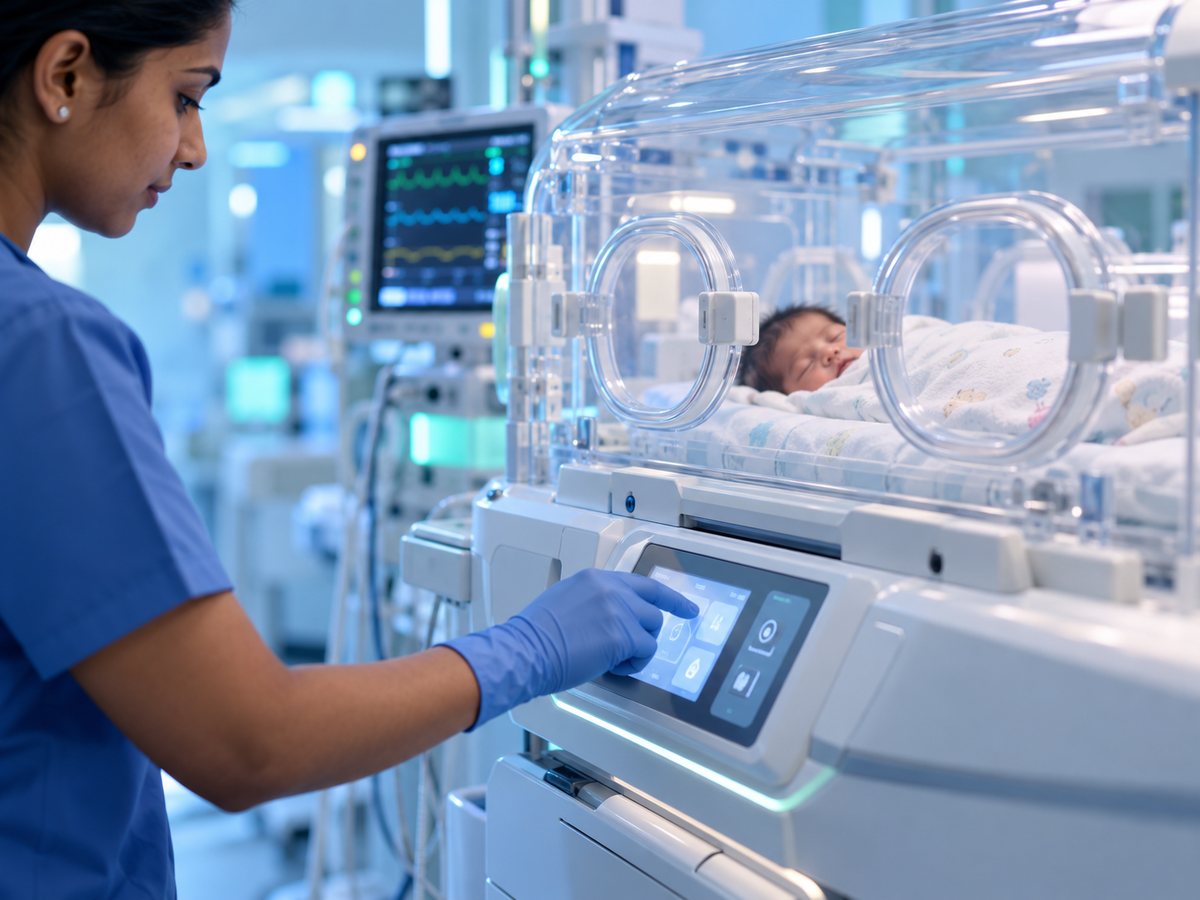
Devices a patient lives with, from limb prostheses to infant care.

What makes it hard

Loads over years. Prostheses and orthoses carry the body's weight every step, for years.

Tell us first

The users: age, weight and activity, or the neonatal care setting.

Standards that often apply

ISO 10328, ISO 22523, IEC 60601-2-50.

More about Rehabilitation & Neonatal

07AI and SaMD

Clinical software whose output a regulator will accept.

What makes it hard

The dataset. Labelled by clinicians, representative of the people it will be used on.

Tell us first

The clinical question, and who acts on the output.

Standards that often apply

IEC 62304, IEC 82304-1, ISO 14971.

Devices we have built here

One: diagnostic-support software built on a clinical data platform.

More about AI and SaMD
See where your device stands

Three free tools that run in your browser and send us nothing: a readiness check, an intended use builder and your likely class and licence.