
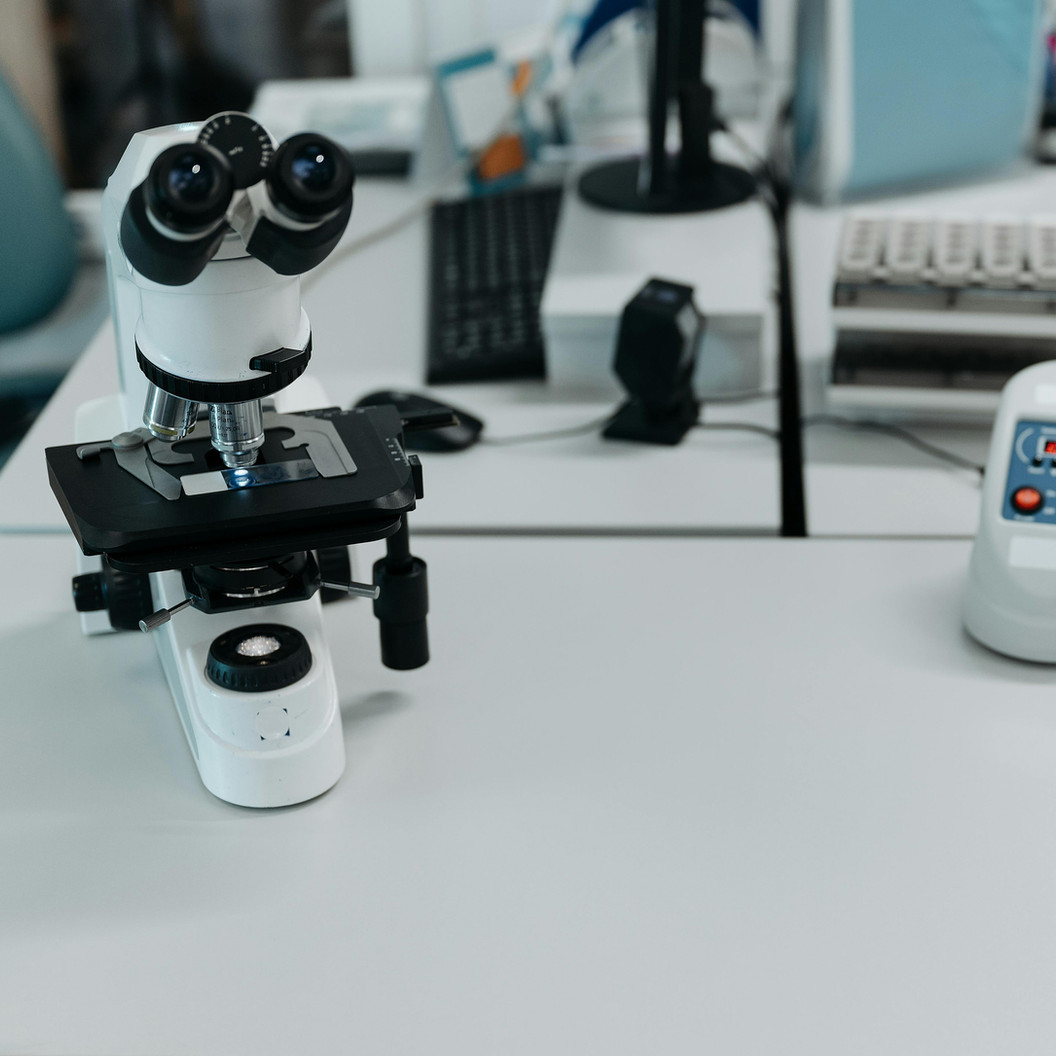
In-Vitro Diagnostics
Devices that test a sample rather than the patient, from bench analysers to point-of-care assays. Sample handling, reagent stability, calibration and proving analytical performance drive the design.
- Devices we have built here
- HbA1C analyser, micronutrient screening, haemoglobin quantifier, point-of-care biosensors.
What makes these devices hard
Sample handling
Small volumes, clotting, haemolysis and carry-over all move the result.
Reagent stability
Shelf life and storage temperature decide the cartridge and the pack.
Calibration
Traceable calibrators and a lot-to-lot plan, set before the first batch.
Analytical evidence
Precision, accuracy, limits of detection and interference, measured to a written protocol.
Tell us these first
Useful in a first enquiry
- The analyte, the sample type and the sample volume
- The user and setting: laboratory, clinic or home
- The reference method your result will be compared with
- The measuring range and precision you need, if known
- The storage conditions the product must survive
Analytical and clinical performance are separate evidence
An analyser can measure a marker precisely and still not tell a clinician what they need. Analytical performance shows the test measures the analyte correctly. Clinical performance shows the result matches the patient's condition in the intended population. Plan both, because a strong bench result does not stand in for clinical evidence.
The path for a device like yours
Questions about in-vitro diagnostic devices
What is the difference between analytical and clinical performance?
Analytical performance covers how well the test measures the analyte: precision, accuracy, detection limits and interference. Clinical performance covers how well the result identifies the condition in the people it is meant for. Each needs its own study plan.
Which class will our IVD be?
The class follows the intended use and the classification rules for IVDs in each market, not the device type. Try the class and route tool, and read how classification works in India.
Can we use banked samples for our studies?
Often, for analytical work and for some clinical performance studies. ISO 20916 covers how clinical performance studies are planned, including the ethics and consent the specimens need. Confirm the approach with the ethics committee before the study starts.
Does the reader need its own electrical testing?
Yes, if it is powered. IEC 61010-2-101 covers electrical safety of IVD equipment, and EMC requirements apply as well, in IEC 61326-2-6 for IVD equipment.
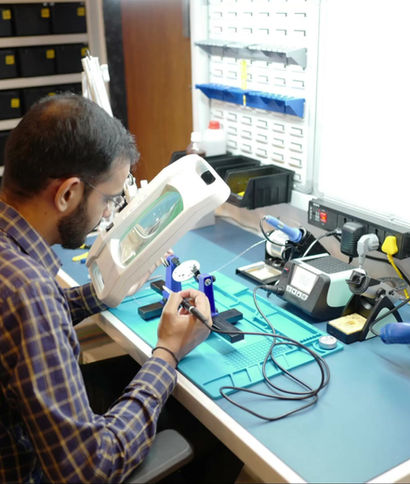
Nine disciplines in one team
Our 41 engineers work across nine disciplines in one team in Navi Mumbai, so the optics, electronics, fluid path and software of a reader and cartridge can be designed side by side.
Standards that commonly apply
- ISO 18113Information supplied with IVD devices
- ISO 20916Clinical performance studies for IVD devices
- IEC 61010-2-101Electrical safety of IVD equipment
- ISO 14971Risk management
The list for a given device, and the edition of each, is set in its regulatory plan.
Services that help here
Building a device in In-Vitro Diagnostics?
Opens the contact form with the topic filled in. Nothing is sent until you press send.