
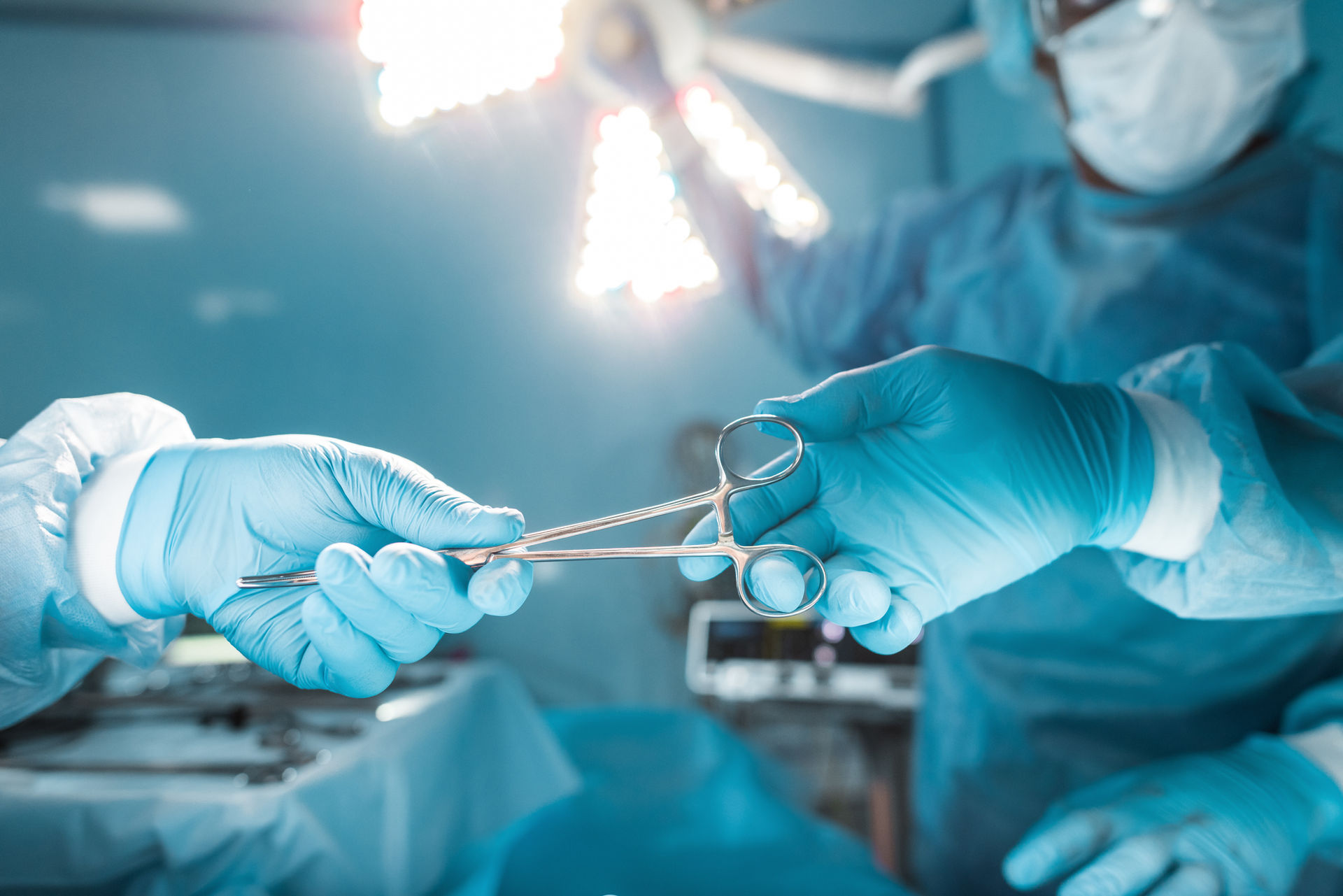
Surgical Instruments
Instruments used in the sterile field, in one hand, under time pressure. Material choice, repeated reprocessing and the feel of the mechanism decide whether a surgeon adopts them.
- Devices we have built here
- Laparoscopic instruments, heart-valve templates, RF ablation electrodes, powered surgical handpieces.
Devices we have worked on
We name the type of device, not the client. Client work stays confidential.
- Pulsed lavage irrigation system for orthopaedic surgery
- Battery-powered bone drill with its docking station
- Suturing device for wound closure
- Manual wound debridement instrument set
- Bipolar coagulation instrument for neurosurgery
- Oscillating-blade dermatome for skin grafts
- Biopsy device
What makes these devices hard
Reprocessing
A reusable instrument must survive hundreds of cleaning and sterilisation cycles without losing its function.
Sterile supply
Single-use devices need a sterilisation method and a packaging system chosen with the materials.
Feel in the hand
Balance, grip and the force of the mechanism decide whether a surgeon adopts it.
Materials in contact
Every part that touches tissue needs a biological evaluation.
Tell us these first
Useful in a first enquiry
- The procedure, and the step where the instrument is used
- Reusable, single-use or limited reuse, if decided
- Which tissue it touches, and for how long
- Any powered function: motor, battery or energy delivery
- The instrument surgeons use today, and what they dislike
Reusable or single-use is a design input
Decide reuse before the materials and joints are chosen, because it changes both. A reusable instrument needs surfaces that survive validated cleaning and repeated sterilisation, with instructions written to ISO 17664. A single-use instrument moves that effort into a sterilisation method, a sterile barrier and a shelf life. A limited-reuse device needs both a tested use limit and a way to stop use at that limit.
The path for a device like yours
Questions about surgical instruments
Should our instrument be reusable or single-use?
It depends on the procedure, the cost per use, the hospital's reprocessing capacity and the materials. Compare both early, because the answer changes the materials, joints, testing and packaging.
What testing does a reusable instrument need?
Validation that the cleaning, disinfection and sterilisation instructions work, as ISO 17664 expects, and testing that the instrument still works after the number of cycles you claim.
Which class will our instrument be?
The class follows the intended use and the classification rules. How invasive it is, how long it stays in contact and whether it is powered all matter. Try the class and route tool.
Does a powered handpiece need IEC 60601 testing?
A powered handpiece is electrical medical equipment, so IEC 60601-1 generally applies, with collateral and particular standards where relevant. IEC 60601-2-2 covers high-frequency surgical equipment.
Surgical programmes on record
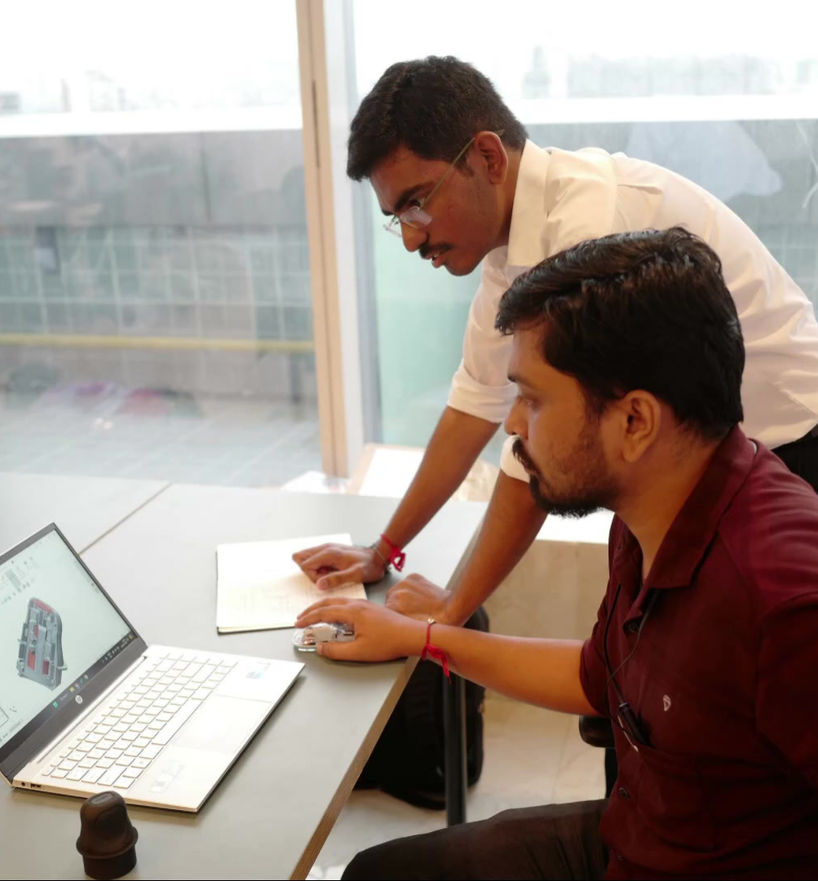
Our programmes include a pulsed lavage system for orthopaedic surgery, a battery-powered bone drill with its docking station, a bipolar coagulation instrument for neurosurgery and an oscillating-blade dermatome for skin grafts.
Standards that commonly apply
- ISO 10993-1Biological evaluation of materials
- ISO 17664Information for reprocessing
- ISO 11607Packaging for terminally sterilised devices
- ISO 11135 / ISO 11137 / ISO 17665Sterilisation by EtO, radiation or steam
- IEC 60601-2-2High-frequency surgical equipment, where powered
The list for a given device, and the edition of each, is set in its regulatory plan.
Services that help here
Building a device in Surgical Instruments?
Opens the contact form with the topic filled in. Nothing is sent until you press send.