

India regulatory dossier
The Indian submission assembled while the device is being designed, so the dossier is a collation at the end rather than a rewrite.
When an India regulatory dossier is the right step
Before a device is made or tested in India for sale or clinical use. The dossier is built from the design file, so it is easier when that file is kept as the work goes.
Licence to manufacture
A manufacturing licence for a device made in India, from the State or the Central Licensing Authority, depending on its class.

Licence to test
A test licence to make small quantities for testing, evaluation or demonstration before the manufacturing licence.
Classify a new device
A class with its rationale, so the route, the authority and the evidence are clear before the dossier starts.
What you bring, and what you get back
You bring
- Intended use and a device description
- The design history file
- The risk management file
- Test reports and labels
- Details of the manufacturing site and its quality system
You get back
- Classification rationale
- Device Master File
- Plant Master File
- Application package
- Draft answers to the regulator's queries
The class decides who grants the licence
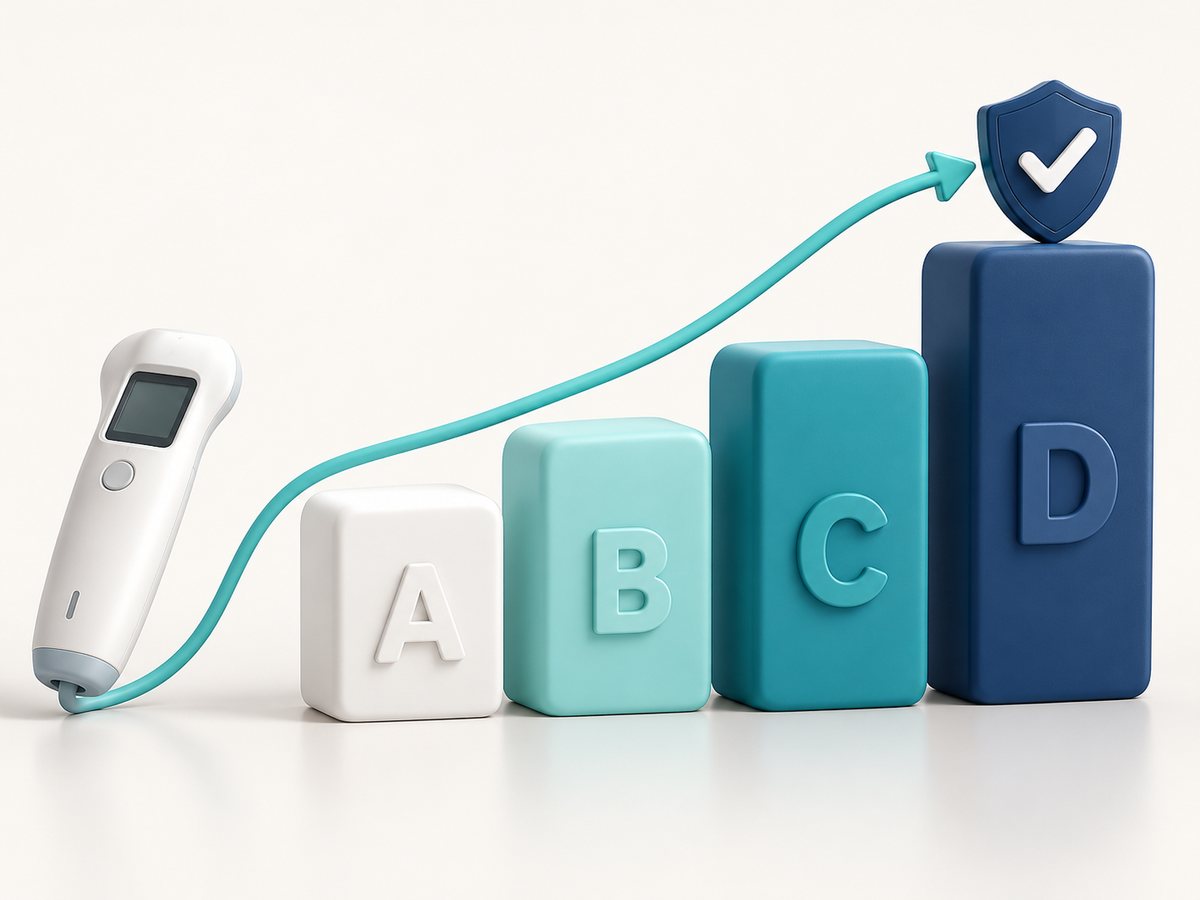
The Medical Devices Rules, 2017 sort devices into Class A to D, from low to high risk. For a device made in India, the State Licensing Authority licenses Class A and B, and the Central Licensing Authority licenses Class C and D. The class also sets what the Device Master File and the Plant Master File must show. A wrong class means the wrong authority and a new application.
How an India regulatory dossier works
Questions clients ask
Who grants the licence?
For devices made in India, the State Licensing Authority for Class A and B, and the Central Licensing Authority (CDSCO) for Class C and D. Imported devices are licensed by the Central Licensing Authority. See device classification in India.
What goes into the Device Master File?
A description of the device, its design and manufacture, the essential principles and standards it meets, its risk management, its verification and validation, and its labels. The content follows the Medical Devices Rules, 2017.
Do we need ISO 13485?
The quality management system requirements in the Medical Devices Rules, 2017 are closely aligned with ISO 13485. A site certified to ISO 13485 is better prepared for the audit that comes with a licence.
Is software regulated in India?
Software that meets the definition of a medical device is regulated under the same rules, with a class set by its risk. The class and route tool helps you check.
Filed from the design file
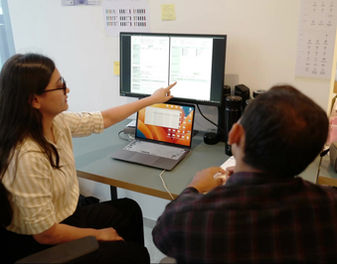
Our two sites are certified to ISO 13485. The dossier is built from the design history file, and we support the application through the regulator's queries to the licence.
Devices we have worked on
We name the type of device, not the client. Client work stays confidential. See every device type.
- Pulsed lavage irrigation system for orthopaedic surgery
- Battery-powered bone drill with its docking station
- Suturing device for wound closure
- Manual wound debridement instrument set
- Bipolar coagulation instrument for neurosurgery
- Blood and fluid warmer, in two flow ranges
Run under an ISO 13485:2016 quality system certified by TÜV SÜD, certificate 99 400 00046. What it covers.
Not quite you?
Standards this work is done against
- Medical Devices Rules, 2017Classification, licensing and the master files
- ISO 13485Quality management system
- ISO 14971Risk management
The list for a given device, and the edition of each, is set in its regulatory plan.
Where this sits
Also in Co-Design & Develop
Tools for this

Have a question about India regulatory dossier?
Opens the contact form with this service named. Nothing is sent until you press send.